

Since Amazon’s founding 22 years ago, the flywheel concept has guided the company’s core principles and is the driving force behind its rapid ascent.
Descartes proved you can't picture a thousand-sided shape, and promptly demoted imagination to the mind's cheap seats. From Aristotle and Kant to brain scans and brick tests, this post argues he got it backwards: creativity is what makes us human.
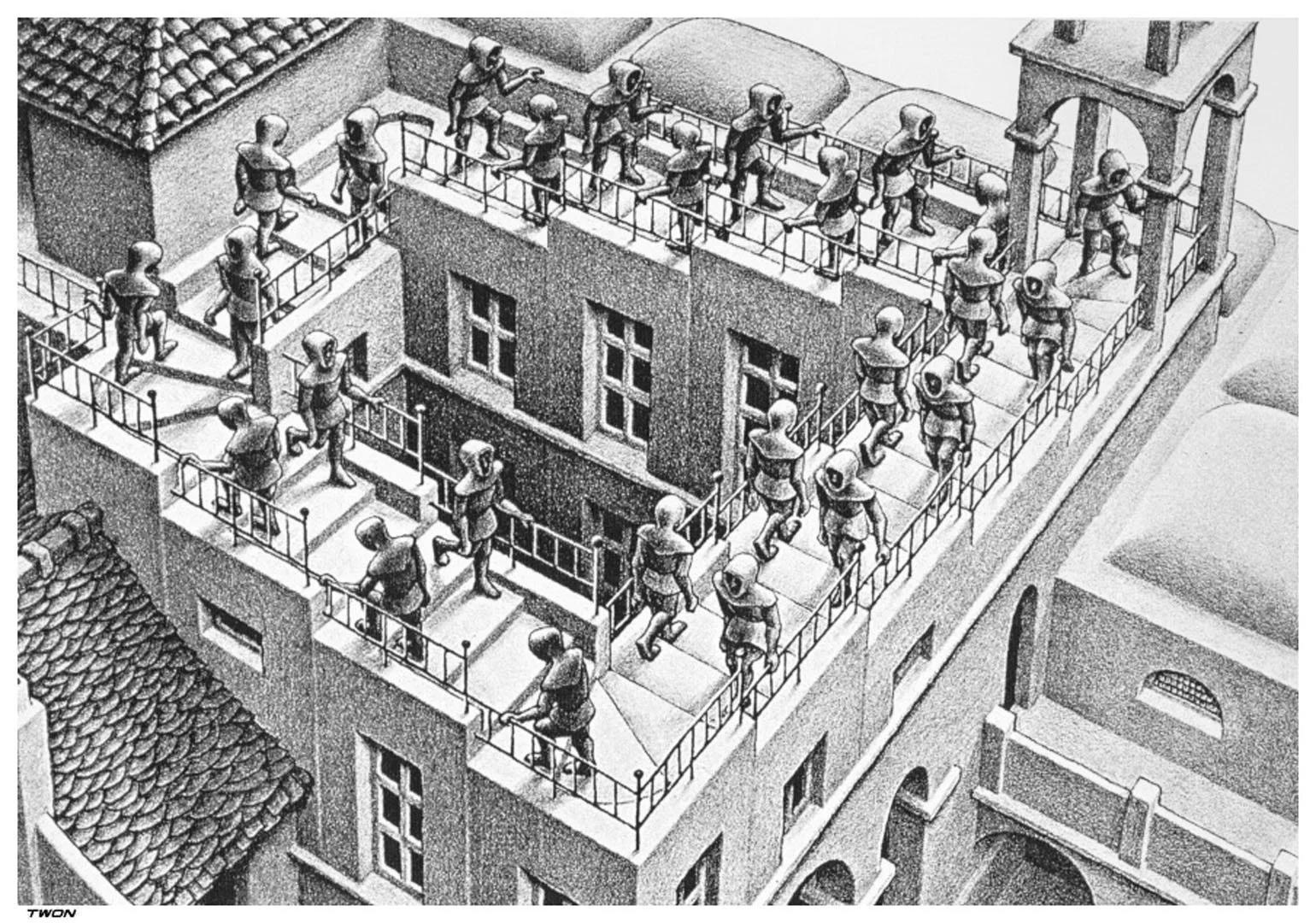
The brain cannot leave raw information alone. Given a scattering of dots, it draws lines between them. Given noise, it hears a voice.
A story, which opens Malcolm Gladwell's Blink, is where I want to start, because it captures something a fourteen-month due-diligence process is structurally incapable of noticing about itself: it can be flawless and still be answering the wrong question. Logic needs the “gut” to decide…
The question our schools must answer is not whether children should be creative. They already are. The question is whether we will have the wisdom — and the courage — to stop educating it out of them
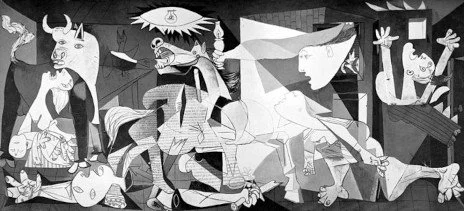
Art arrives by a different road entirely, bypassing the locked doors and finding the person still waiting inside. It is a small, quietly devastating observation, and it captures something that neuroscience has been methodically proving ever since: that engaging with art — making it, experiencing it, losing yourself in it — does something profound and measurable to the human brain.
