Descartes proved you can't picture a thousand-sided shape, and promptly demoted imagination to the mind's cheap seats. From Aristotle and Kant to brain scans and brick tests, this post argues he got it backwards: creativity is what makes us human.
Descartes proved you can't picture a thousand-sided shape, and promptly demoted imagination to the mind's cheap seats. From Aristotle and Kant to brain scans and brick tests, this post argues he got it backwards: creativity is what makes us human.
The brain cannot leave raw information alone. Given a scattering of dots, it draws lines between them. Given noise, it hears a voice.
A story, which opens Malcolm Gladwell's Blink, is where I want to start, because it captures something a fourteen-month due-diligence process is structurally incapable of noticing about itself: it can be flawless and still be answering the wrong question. Logic needs the “gut” to decide…
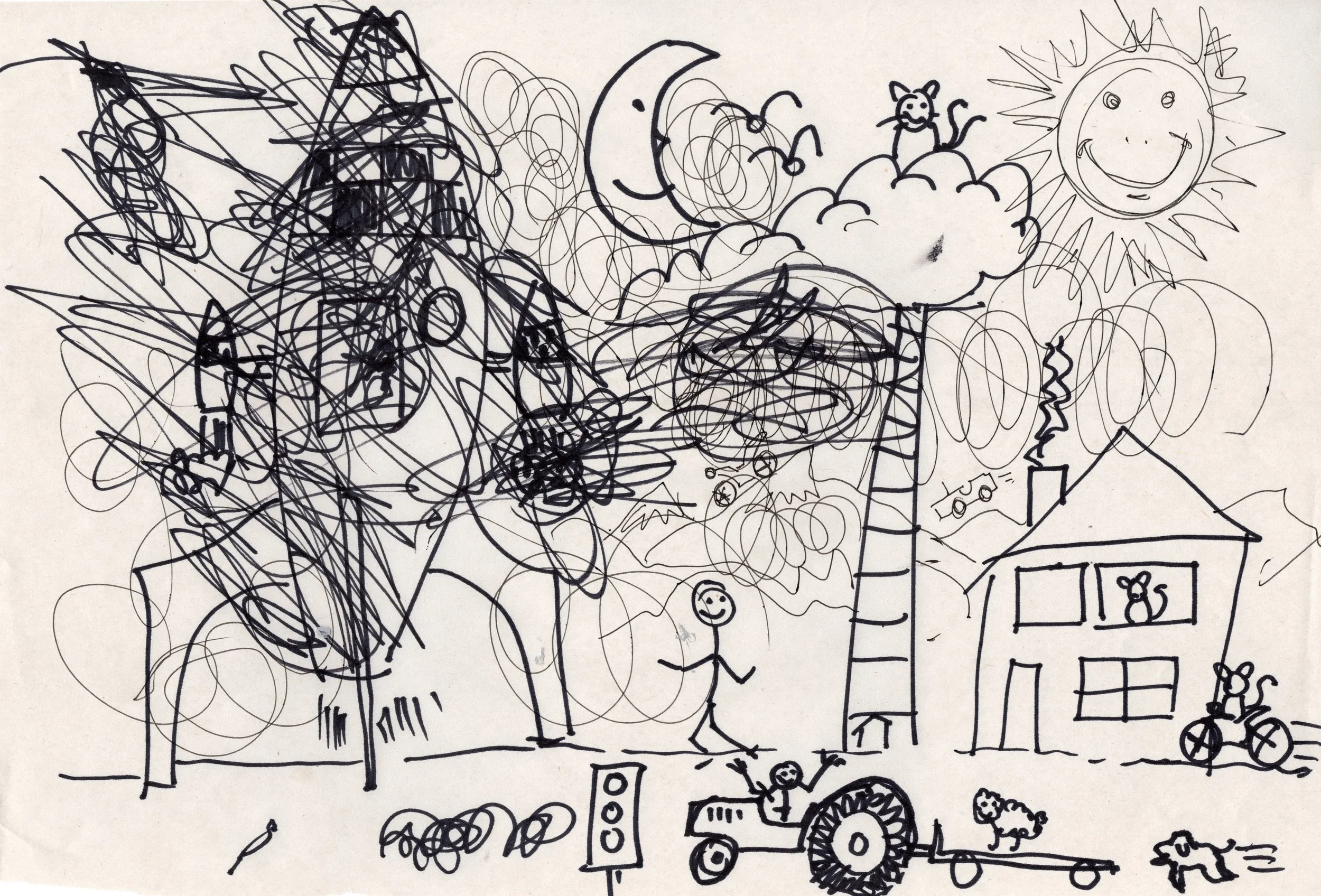
The question our schools must answer is not whether children should be creative. They already are. The question is whether we will have the wisdom — and the courage — to stop educating it out of them
Art arrives by a different road entirely, bypassing the locked doors and finding the person still waiting inside. It is a small, quietly devastating observation, and it captures something that neuroscience has been methodically proving ever since: that engaging with art — making it, experiencing it, losing yourself in it — does something profound and measurable to the human brain.
Art arrives by a different road entirely, bypassing the locked doors and finding the person still waiting inside. It is a small, quietly devastating observation, and it captures something that neuroscience has been methodically proving ever since: that engaging with art — making it, experiencing it, losing yourself in it — does something profound and measurable to the human brain.
You know that moment when a solution arrives in the shower, fully formed, like Athena springing from Zeus's head? Or when you've been staring at a problem for hours and suddenly—click—everything makes sense? That's not magic. That's your brain doing something simultaneously elegant and absurd: questioning everything it thinks it knows.
We live in an age of perpetual stimulation. Our phones buzz with notifications, our screens flicker with endless content, and our calendars overflow with commitments. The modern world has declared war on boredom, treating every empty moment as an emergency requiring immediate intervention. But in our frantic rush to fill every second with activity, we may be starving the very source of our creative power.
When someone eats your last Rolo, you feel a totally disproportionate sense of loss. It’s not about the chocolate. It’s about the gap. The narrative was broken.
So, we became wired not just for survival, but for pattern and narrative. We became restless, creative creatures—itchy with the need to make meaning. We drew patterns in the dirt, scratched stories on cave walls, and eventually, designed complex systems, cities, and even shoes that glow in the dark. All of this because our brains, forever uncomfortable with uncertainty, keep asking, What happens next?
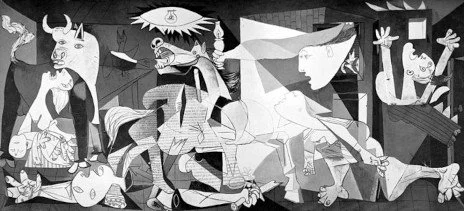
There is a very famous film of Picasso painting live. About halfway through creating an effortless masterpiece he says “ Ca va tres mal” (it’s going very badly). Even someone like Picasso struggled to get a painting to go where he wanted it to go. It’s his self-belief, confidence and self-trust that allows him to work through the “bad” stage and experience that tells him that he can make it right. I’m certainly not in that league, but that helped me to understand that I should push through (although sometime you can try too hard and take a sketch too far) and trust my instinct.