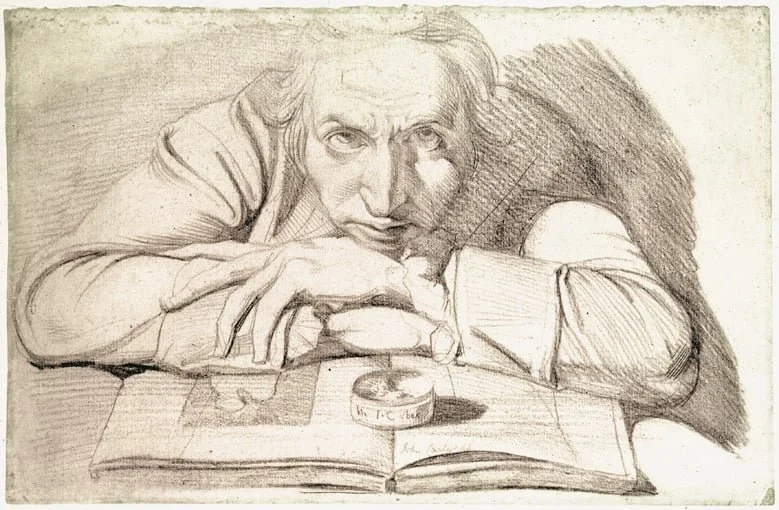

Creativity is just as important in education as literacy, Robinson argues, and this is undoubtedly true now as we begin to come out of the COVID pandemic. Moreover, creativity and innovation will be the fuel of future economies.
Somewhere in first-century Judaea, a wealthy man prepares for a long journey. Before he leaves, he summons three servants and divides his fortune among them: five talents to the first, two to the second, one to the third — "to every man according to his several ability," as the King James Version puts it. Then he departs, apparently without leaving a forwarding address.
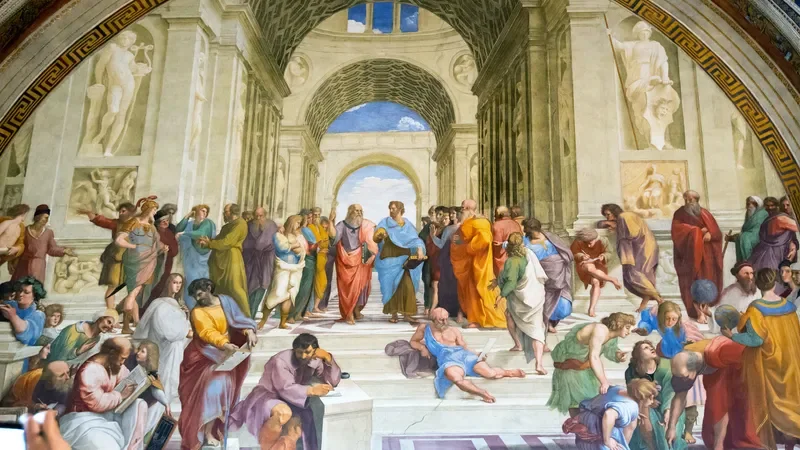
Descartes proved you can't picture a thousand-sided shape, and promptly demoted imagination to the mind's cheap seats. From Aristotle and Kant to brain scans and brick tests, this post argues he got it backwards: creativity is what makes us human.
The brain cannot leave raw information alone. Given a scattering of dots, it draws lines between them. Given noise, it hears a voice.
A story, which opens Malcolm Gladwell's Blink, is where I want to start, because it captures something a fourteen-month due-diligence process is structurally incapable of noticing about itself: it can be flawless and still be answering the wrong question. Logic needs the “gut” to decide…