Why Creativity and Optimism Are the Real Engines of the Economy
"Creativity is not the finding of a thing, but the making something out of it after it is found."
James Russell Lowell
Let's begin with a confession. Economists, bless them, have spent centuries trying to explain why some nations prosper and others flounder, filling blackboards with supply curves, liquidity traps, and enough Greek letters to staff an Athens phone book. And yet the answer may have been hiding in plain sight all along — somewhere between a child's drawing, a half-mad inventor's notebook, and the stubborn refusal to believe that things cannot be better than they are. That answer is creativity. And its indispensable travelling companion: optimism.
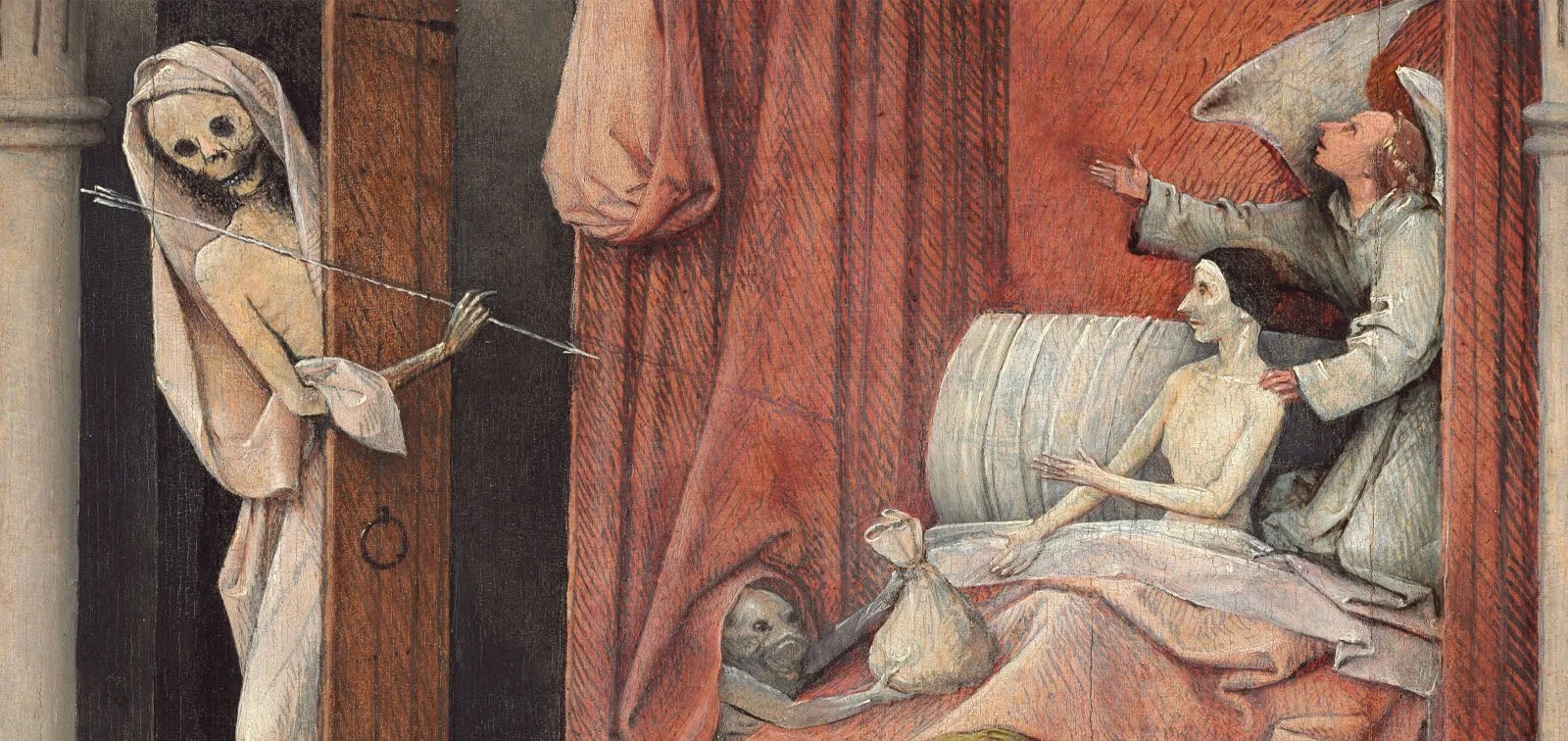
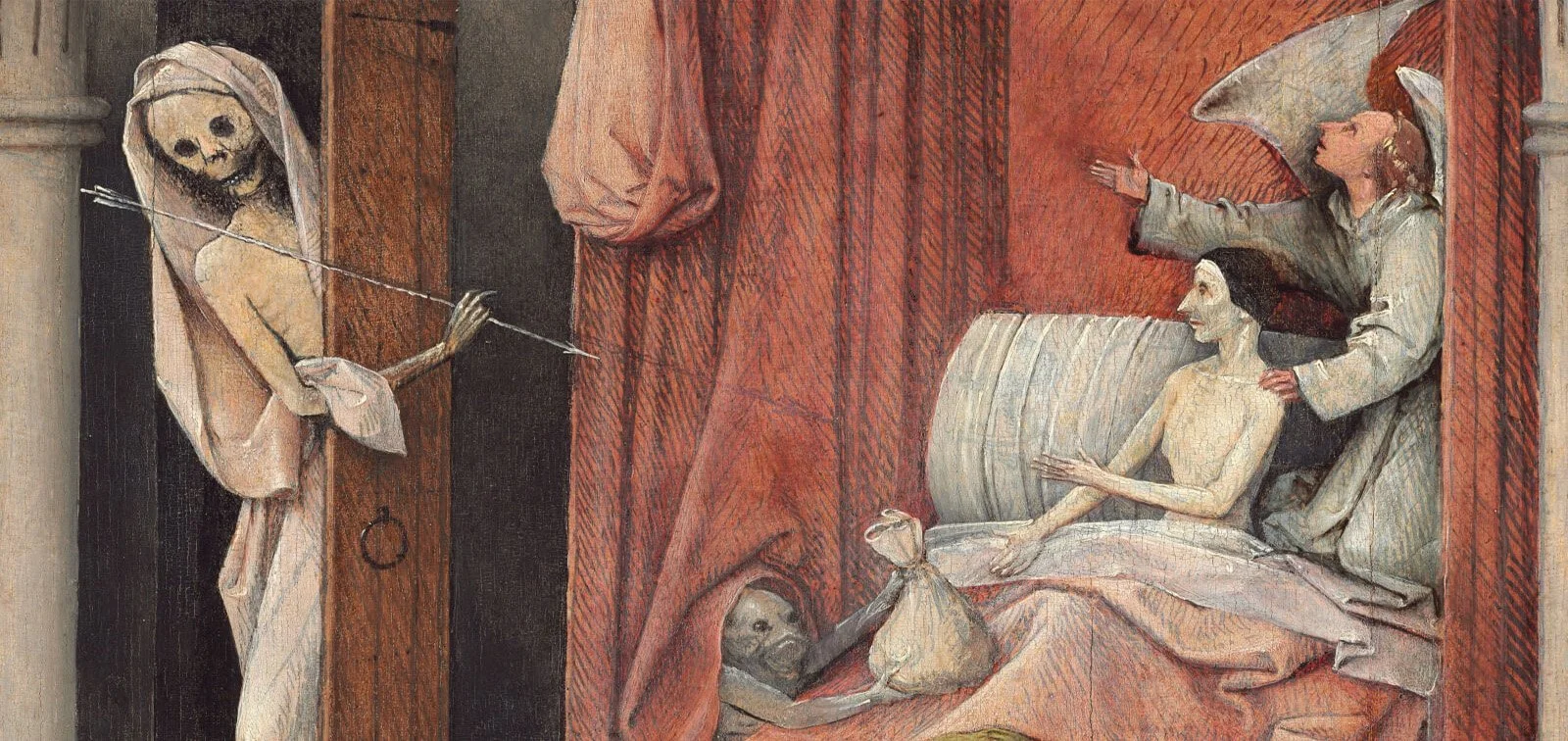
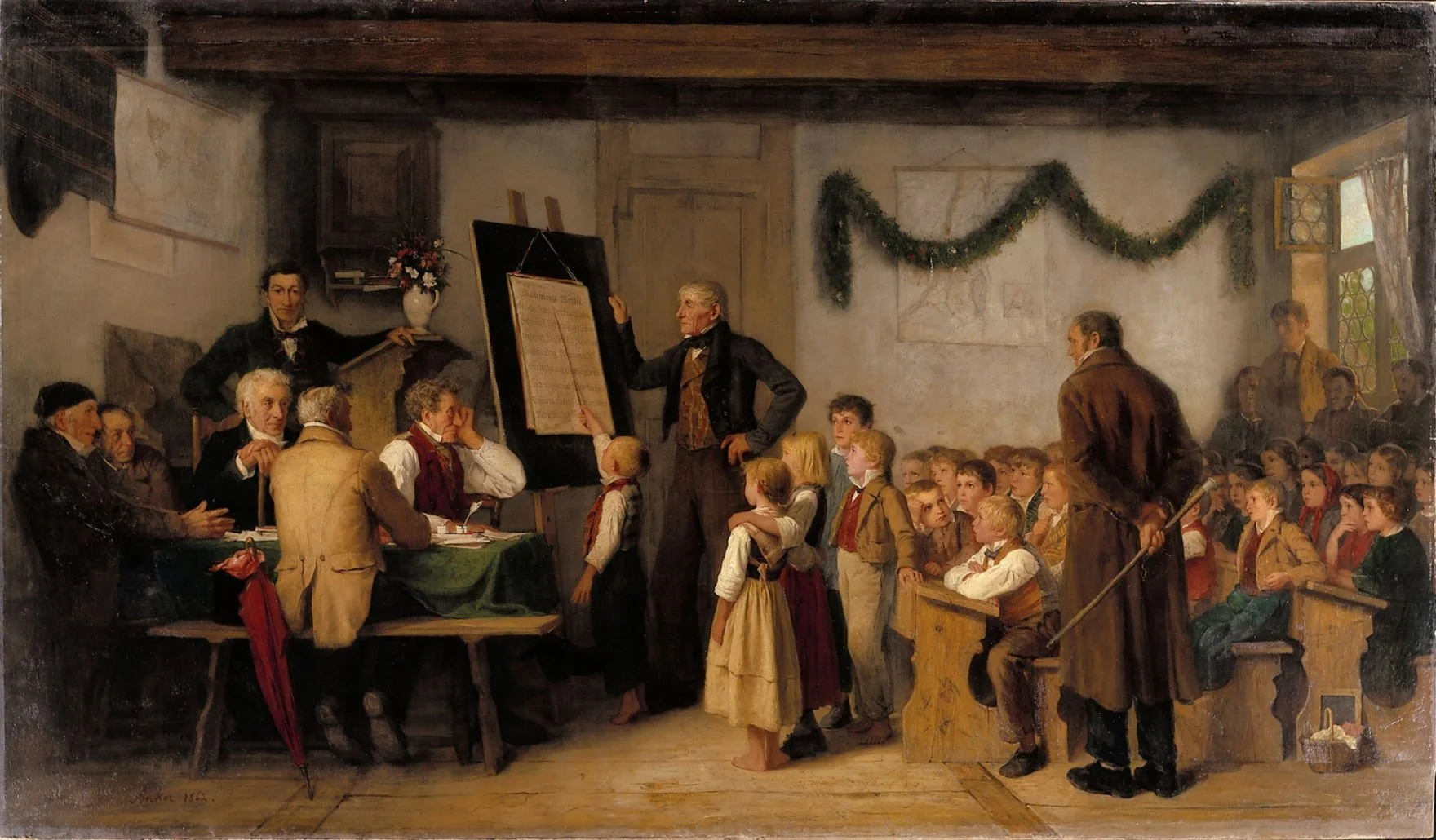
In 2006, Sir Ken Robinson stood on the TED stage and delivered what would become the most-watched TED Talk in history — a gentle, devastating argument that our schools are systematically educating children out of their creativity. "We don't grow into creativity," he observed, "we grow out of it. Or rather, we get educated out of it." His point was not philosophical hand-wringing. It was an economic alarm bell. In a world pivoting from industrial production to knowledge and innovation, a society that irons the creativity out of its young people is, in the most literal sense, bankrupt — it simply hasn't noticed the overdraft yet. The global creative economy — spanning advertising, architecture, design, film, music, fashion, and software — is worth an estimated $2.25 trillion annually, growing faster than virtually any other sector. This is not a footnote to the "real" economy. This is the real economy, increasingly.
But here's where it gets more interesting, and where the conventional picture starts to crack. Creativity is not the exclusive province of the arts. It never was. Ask most people to picture a creative person and they'll conjure a painter in a beret or an architect with dramatic glasses. They will not picture a molecular biologist. And yet they should. Jonah Lehrer, in his book Imagine: How Creativity Works, traces the neurological basis of creative insight — the famous "Aha!" moment — and finds it distributed equally across disciplines. The same flash of dopamine-drenched right-hemisphere activity that helped Paul McCartney wake up with "Yesterday" fully formed in his head also powered the creative leap that led Alexander Fleming to recognise, rather than discard, a contaminated petri dish. That contamination, of course, was penicillin. That act of creative optimism — the refusal to see only a ruined experiment — saved approximately 200 million lives. Creativity in science is not decorative. It is structural.
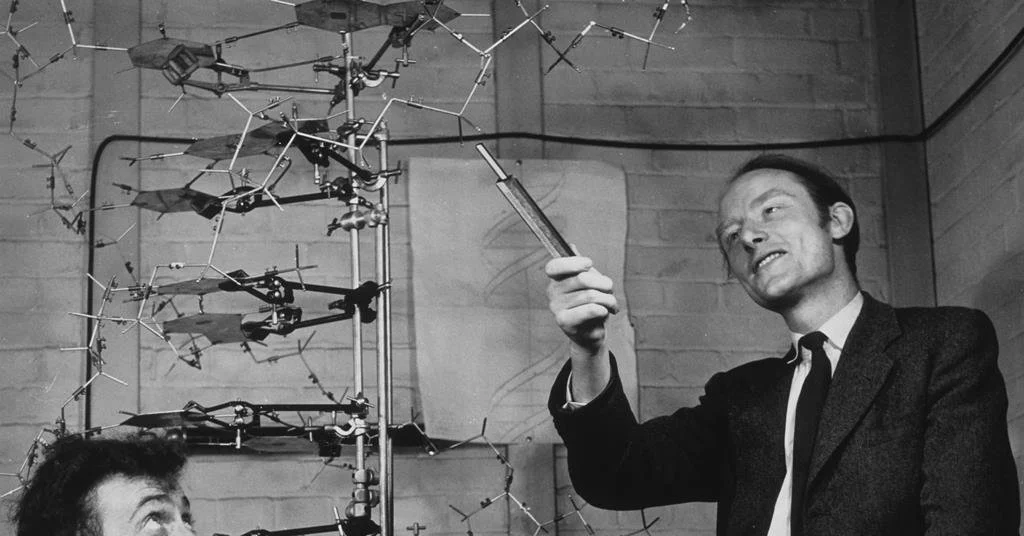
James Watson and Francis Crick's discovery of the double helix was, by Watson's own admission, an exercise in model-making and visual imagination — closer to sculpture than to data crunching. Einstein famously ran "thought experiments," which is a distinguished way of saying he daydreamed professionally and charged it to physics. The mathematician Henri Poincaré described his greatest insights arriving not at his desk, but the moment he stepped onto a bus, mind wandering, guard down. There is a pattern here worth sitting with: the breakthrough rarely arrives when you are gripping the problem tightest. It arrives in the loosening. Betty Edwards understood this as well as anyone. In her landmark work Drawing on the Right Side of the Brain, she demonstrated that drawing is not a gift but a learnable perceptual skill — the ability to see things as they actually are, rather than as we assume them to be. This shift in perception, she argued, is precisely what scientists, designers, and innovators require: the courage to look without prejudice and report honestly what is there. Nations that invest in this kind of thinking — in arts education, in design, in the freedom to experiment and fail — are not indulging a luxury. They are sharpening the very instrument that drives discovery across every field.
Which brings us to the other engine in the room: optimism. Rory Sutherland, the delightfully contrarian Vice Chairman of Ogilvy and a man who can build a compelling economic argument out of almost anything, including the psychology of waiting for trains, has long championed the idea that perceived value — how things feel — is as economically significant as objective utility. Human beings, he argues, do not make decisions based on facts. They make decisions based on the stories they tell themselves about facts. And optimism is the master story. It is the internal narrative that says: this could be better, and I am the person to make it so. Without it, there is no entrepreneurship, no startup launched from a garage at midnight, no artist stretching the first canvas, no scientist applying for a grant to study something everyone else considers absurd.
Julia Cameron, in The Artist's Way — a book that has quietly rearranged the creative lives of millions — understood that the single greatest block to creativity is fear: the fear of being wrong, of being laughed at, of wasting time. Optimism is not naive cheerfulness. It is the antidote to that fear. It doesn't eliminate risk; it makes risk bearable, which is precisely what risk needs to be if anything worthwhile is going to get done. In economic terms, optimism is the foundation of every investment. Every pound or dollar committed to a project that does not yet exist is an act of creative faith. The venture capitalist, the small business owner, the scientist applying for a research grant — all are, at their core, professional optimists with slightly different wardrobes.
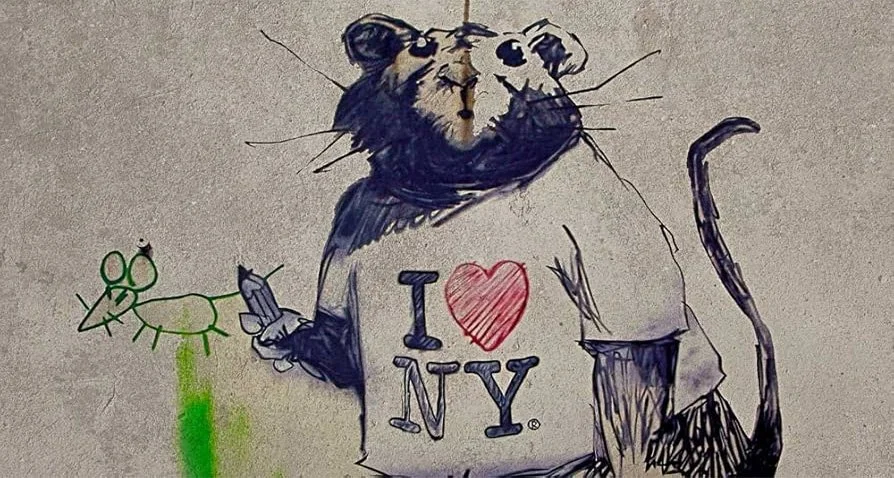
The world around you, when you stop to think about it, was imagined by someone before it existed. The chair you're sitting in, the typeface on your phone, the logo on your coffee cup — all of it passed through a human imagination before it passed through a factory or a screen. Milton Glaser, who designed the I ❤ NY logo on a scrap of paper in the back of a New York taxi, understood that a single visual idea could reframe an entire city's relationship with itself. New York in the 1970s was broke, crime-ridden, and despairing — not unlike an economy that has forgotten how to dream. Glaser's three symbols, and the warmth and optimism embedded in them, helped catalyse a cultural and eventually economic revival. Design as economic policy. Not bad for a taxi ride. Alan Fletcher, perhaps Britain's greatest graphic designer and the author of The Art of Looking Sideways, took a similar view of creativity as a form of intelligence — a way of connecting unconnected things to produce meaning. His work helped build some of the most recognisable corporate identities in the world, generating enormous commercial value from what looked, to the untrained eye, suspiciously like drawing pretty pictures. Fletcher would not have minded that description. He would have taken it as a compliment and then charged accordingly.
Sir John Hegarty, advertising legend and founder of BBH, has argued for decades that creativity is not a soft add-on to business strategy but a hard multiplier of it. His campaign for Levi's in the 1980s, built on a single, audacious image of a young man in a laundrette, did not merely sell jeans. It repositioned an entire brand, triggered a cultural moment, and generated hundreds of millions in revenue — from one idea, one film, one act of creative confidence that an audience would respond. And respond they did. This is the point that slow-moving corporations and short-sighted governments consistently fail to grasp: they treat creativity as a weather event, something that happens to you unpredictably, usually to someone younger and less sensibly dressed. Chris Griffiths, in his work on creative thinking methodologies, makes the compelling counter-argument that creativity is not chaos but discipline — learnable, scalable, and institutionally cultivatable. Organisations that build systematic creative cultures, he argues, dramatically outperform those that don't, a view backed by McKinsey research showing that companies in the top quartile for creativity generate revenue growth one and a half times higher than their less imaginative competitors. Creativity, in other words, is a muscle. And like all muscles, it atrophies without use and grows stronger with deliberate, even joyful, exercise.
In the 1989 film Dead Poets Society, Robin Williams's John Keating climbs onto his desk to remind his students that we must constantly look at things differently. "Just when you think you know something," he tells them, "you have to look at it in another way." It is played as a moment of rebellion, but it is really an economic manifesto in a tweed jacket. The Keatings of the world — the teachers, designers, scientists, copywriters, and architects — are not dreamers detached from the hard business of wealth creation. They are the wealth creation. The contaminated petri dish, the taxi-ride napkin, the laundrette film, the desk-top vantage point — these are not footnotes to economic history. They are the story itself.
The evidence is overwhelming and the argument is straightforward, even if the practice takes courage. Creativity drives innovation, innovation drives productivity, and productivity drives economic growth. Optimism provides the fuel that keeps the engine running when the road gets rough — and the road always gets rough. The wicked problems ahead of us — climate change, healthcare crises, demographic shifts, technological disruption — will not be solved by timidity or convention. They will be solved by people who look at contaminated petri dishes and see medicine, who sit in the backs of taxis and sketch symbols that revive cities, who stand on desks and ask the rest of us to consider the view from up there. Robinson, Edwards, Cameron, Hegarty, Glaser, Fletcher, Griffiths, Lehrer, Sutherland — they arrive from different disciplines, different decades, different sides of the Atlantic, but they share a single conviction: that the human capacity to imagine something better than what currently exists is not a luxury. It is the most economically valuable force on the planet, and it is available to every single one of us.
The future belongs to the optimists. Specifically, the creative ones.