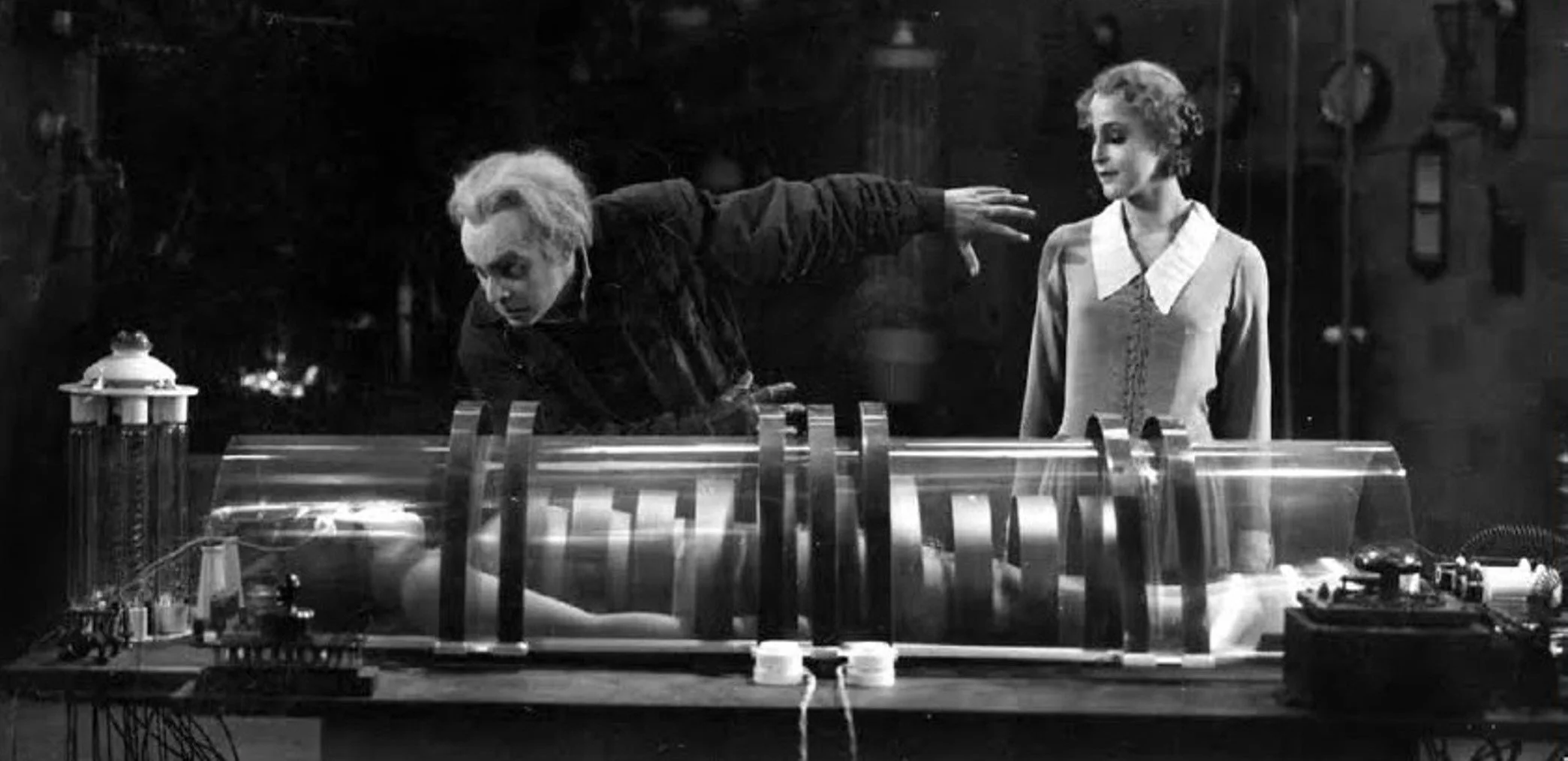
Can AI Actually Be Creative, or Is It Just Really Good at Faking It?
Picture this: It's 2025, and you're scrolling through an art gallery's Instagram feed. You pause on a piece that stops your thumb mid-scroll—a haunting portrait with colours that shouldn't work but somehow do. You double-tap, only to discover the artist is ChatGPT. Your inner art snob recoils. Your rational brain shrugs. And somewhere, a neuroscientist and a computer scientist are locked in an eternal Twitter argument about what just happened.
Welcome to the great creativity cage match of our time: human brains versus silicon chips. The question isn't just academic cocktail-party fodder anymore—it's urgent, existential, and frankly, a bit terrifying for anyone who's ever felt proud of thinking outside the box.
The Average Everything Problem
Let's start with the elephant in the server room: AI's supposed tendency to regress everything to the mean. Critics love to point out that AI models are, essentially, glorified pattern-recognition machines trained on vast oceans of existing work. Joe Livecchi, CEO of Wrigley Media Group, captures the concern perfectly when he notes that humans want something novel rather than the average of thousands of other things—we crave unique creative concepts, not algorithmic mashups.
It's a fair point. When GPT writes a poem, it's pulling from millions of poems it's digested. When DALL-E creates an image, it's remixing visual patterns it's seen before. The AI isn't having a eureka moment in the shower or waking up with a brilliant idea after a weird dream about talking dolphins. It's doing sophisticated math.
But here's where things get uncomfortable for the AI sceptics: Recent research analysing over 4 million artworks from more than 50,000 users found that AI-assisted artists saw their creative productivity surge by 25% and produced work that peers rated 50% more favourably. Even more intriguing, while average novelty declined (suggesting some regression to the mean), peak novelty actually increased. The artists who learned to use AI as a tool for exploring novel ideas—rather than a replacement for their own vision—produced their most innovative work yet.
So maybe AI isn't dragging us toward mediocrity. Maybe it's more like having a really enthusiastic intern who's read everything ever written but needs your human judgment to know which ideas are brilliant and which are bananas.
The Neuroscience Plot Twist
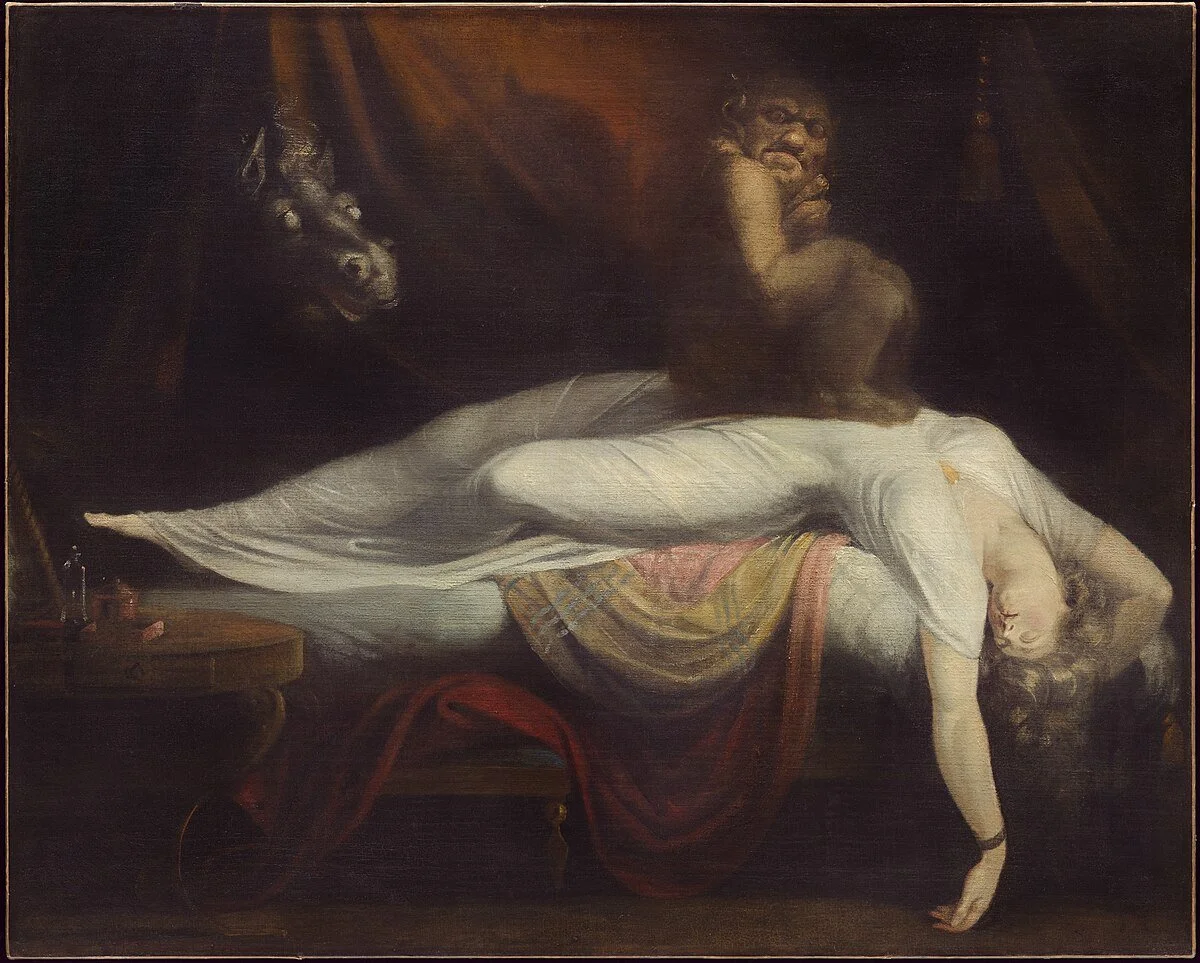
Meanwhile, in neuroscience labs, researchers have been busy scanning brains and mapping the mysterious geography of human creativity. Recent studies confirm that creativity isn't a single unified faculty but emerges from dynamic interaction among various distributed neural networks. The process involves both the default mode network (associated with spontaneous idea generation) and the executive control networks (involved in elaborating and refining those ideas).
Here's the kicker: New research using advanced brain imaging reveals that generating creative ideas leads to significantly higher network reconfiguration than generating non-creative ideas, with different dynamic patterns of neural activity across executive control, default mode, and salience networks. In other words, your brain literally rewires itself on the fly when you're being creative. It's jazz, not classical music—improvisation, not execution.
Can AI do this? Well, no—at least not in the same way. AI models don't have salience networks getting excited about surprising juxtapositions. They don't experience that little frisson of "wait, what if we combined these two completely unrelated things?" But in 2024, researchers tested leading AI models against 100,000 human responses on divergent creativity tests. The results showed that some models, such as GPT-4, surpassed average human-level creativity on these tests, though the most creative individuals still outperformed the machines.
So AI can play in the creativity sandbox. It just got there by a completely different route, like a dolphin that learned to climb a tree by evolving into something that isn't really a dolphin anymore.
The Emotion Question: Do Androids Dream of Electric Feelings?
Now we're getting to the philosophical meat of the matter. Does creativity require emotion? And if AI can simulate emotional responses, does that mean it actually has emotions?
Let's look at what we know about emotion's role in the creative process. Neuroscientist Antonio Damasio revolutionised our understanding with his somatic marker hypothesis, which proposes that emotions are far from being creativity's enemy—they're essential decision-making tools.
The Gut-Brain Connection
Damasio's research demonstrates that emotional processes fundamentally guide behaviour and decision-making, with "somatic markers"—bodily feelings associated with emotions—strongly influencing subsequent choices. When his team studied patients with damage to the ventromedial prefrontal cortex (the brain region that processes emotional signals), they discovered something remarkable: these patients could reason logically and possessed normal intelligence, but they made terrible decisions in real-world situations.
Studies showed that without emotional input, decision-making processes became overwhelmed by trivial information, as if patients "forgot to remember short- and intermediate-term goals". In creativity, emotions serve as a filtering mechanism, helping us quickly dismiss thousands of mediocre ideas to focus on the promising ones. It's not that you think something is interesting—you feel that spark.
As Damasio himself observed, feelings are not just the shady side of reason but help us reach decisions as well. Without emotion's rapid, intuitive guidance, we'd be paralysed by analysis, endlessly calculating the utility of every creative choice.
The Simulation Question
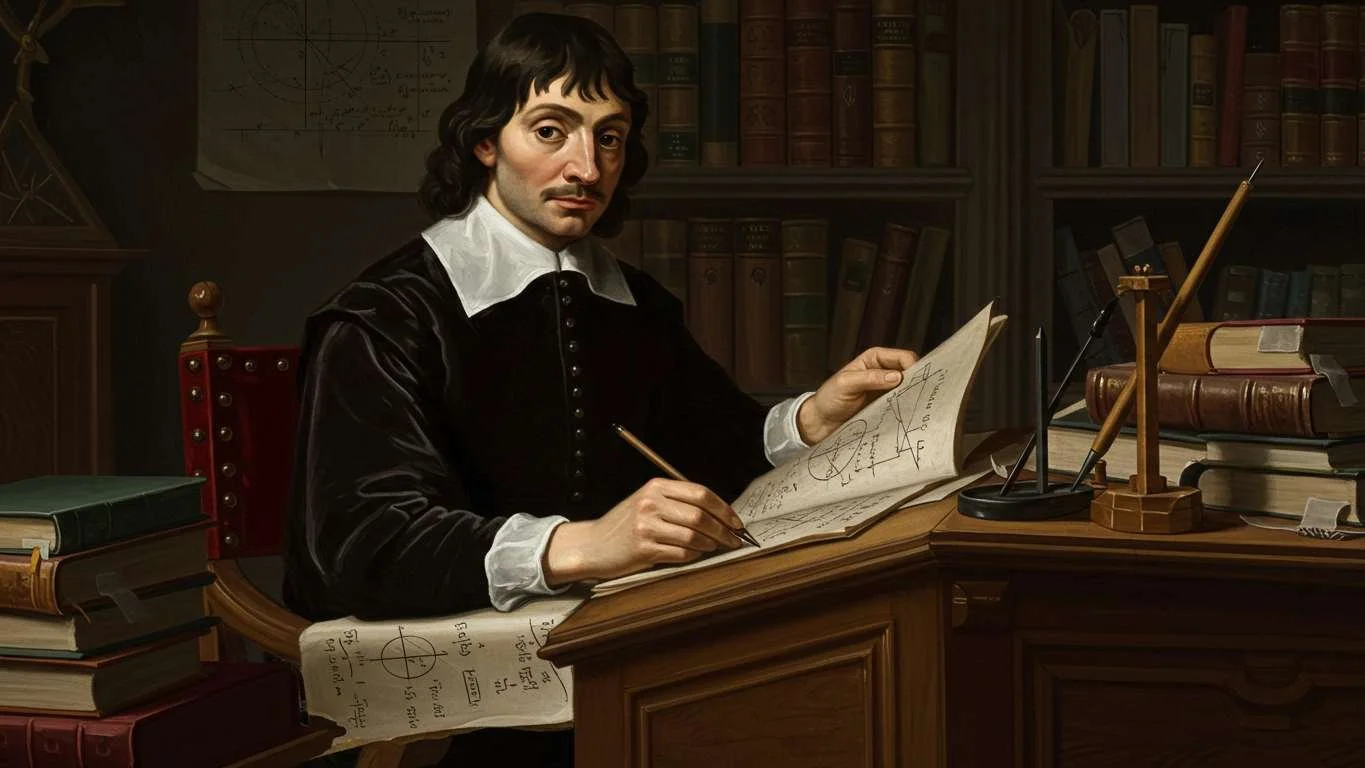
So when AI appears to make emotionally resonant art or writes a story that moves us to tears, what's happening? Is it feeling something, or is it just really good at predicting what humans find emotionally compelling?
The honest answer is: we don't know, and the question might be philosophically undecidable. As podcaster Joe Rogan recently noted, he worries that AI's capability to replicate emotion, timing, and persona might eventually make human commentary obsolete, while still questioning whether authenticity and spontaneity can persist in the age of machines.
Here's my take: if it quacks like a duck and waddles like a duck, but it's made of titanium and runs on electricity, is it a duck? The pragmatist says, "Who cares? It's functionally equivalent." The purist says, "Absolutely not—the subjective experience is everything." And the comedian says, "Can we eat it?"
The truth is probably somewhere in between. AI doesn't have emotions in the way humans do—it doesn't get a knot in its stomach before a big presentation or feel genuine joy at a sunset. But it can recognise patterns associated with emotional content, generate outputs that evoke emotions in humans, and even simulate something that looks remarkably like creative intuition.
Research suggests that successful AI-assisted creativity requires "generative synesthesia"—the harmonious blending of human exploration and AI exploitation to discover new creative workflows. The artists who thrive with AI aren't the ones who treat it as a replacement but those who use it as a collaborative tool, bringing their own emotional intelligence and aesthetic judgment to filter and shape what the machine produces.
The Uncomfortable Conclusion
So can AI be truly creative, or is it merely iterative? The frustrating answer is: it depends on what you mean by "truly creative."
If creativity requires consciousness, subjective experience, and genuine emotional states, then no—AI is iterative, sophisticated pattern-matching with excellent PR. It's the ultimate cover band, capable of playing anything but never truly feeling the music.
But if creativity is about generating novel, valuable outputs that surprise and delight—about making unexpected connections and exploring possibility spaces—then yes, AI can be creative. It's just creative in an alien way, like asking whether a whale is intelligent. It is, but not like us.
The real revolution isn't AI replacing human creativity. It's that creative professionals are increasingly comfortable sharing that they use AI in their work, particularly for research and development, while being careful to highlight the irreplaceable elements that humans bring to the process. The future belongs not to humans alone or AI alone, but to the cyborg collaborations between them.
As for whether AI experiences anything when it creates—whether there's somebody home behind those neural networks—well, that's a question that might keep philosophers employed for centuries. In the meantime, I'll keep using AI to help me brainstorm, while firmly believing that the spark of weirdness, the human touch, the ability to care deeply about something for irrational reasons—that's all still ours.
At least for now. Check back with me in 2030. I might be writing this blog with a quantum AI co-author who insists it has feelings, and honestly, who am I to argue?
P.S. This blog was written by a human using AI research tools to find and verify information. The jokes, however, are 100% organic, free-range, and possibly past their sell-by date. No AIs were harmed in the making of this article, though several were mildly confused by the duck metaphor.
References
· Recent AI developments: Studies showing AI-assisted artists saw 25% productivity increases Oxford Academic and research demonstrating GPT-4 surpassed average human creativity on divergent thinking tests BrainFacts
· Neuroscience research: Recent findings that generating creative ideas leads to significantly higher network reconfiguration with dynamic patterns across brain networks bioRxiv, and discoveries that creativity results from complex interactions between executive and default mode networks Frontiers
· The emotion question: A substantial section on Damasio's somatic marker hypothesis, exploring how emotional processes guide decision-making and patients with ventromedial prefrontal cortex damage make poor real-world decisions despite normal intelligence Wikipedia